


☰
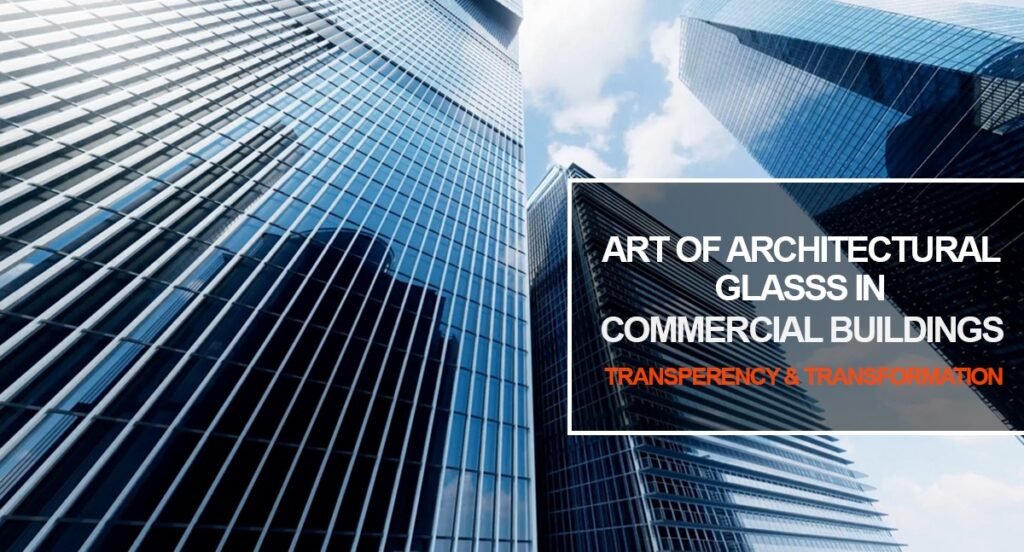
Glass has transcended its functional purpose as a mere windowpane. In the realm of commercial architecture, it has become a transformative element, an artistic canvas that sculpts light, space, and the very perception of a building. This artistic expression, however, is a marriage of form and function, where aesthetics seamlessly blend with practical considerations. Architectural glass has become a key player in modern building design.
The allure of architectural glass has deep roots. The Crystal Palace, constructed in London for the 1851 Great Exhibition, stands as a testament to the early fascination with expansive glass structures. This pioneering design showcased the potential of architectural glass to create light-filled, airy spaces, forever altering the trajectory of modern architecture.
Fast forward to today, and commercial buildings are adorned with sophisticated architectural glass facades. Skyscrapers pierce the clouds with walls of shimmering architectural glass, while office spaces boast expansive windows that blur the lines between interior and exterior. This evolution reflects not only a continued love affair with light and openness but also advancements in architectural glass technology.
The artistry of architectural glass extends far beyond aesthetics. It offers a symphony of benefits that elevate the functionality and user experience of commercial buildings. Here are some key aspects to consider:
The artistry of architectural glass extends beyond vast walls and towering facades. Here are some captivating ways architects are using glass to transform commercial spaces:
The artistic use of architectural glass extends beyond the individual building, impacting the overall urban landscape. Glass facades can reflect the surrounding environment, creating a dynamic interplay of light and colour. This artistic interplay can revitalize previously dull or neglected areas, transforming them into vibrant and visually stimulating spaces.
The future of architectural glass is brimming with exciting possibilities. Self-cleaning glass, for example, could minimize maintenance needs, while advancements in structural capabilities could lead to even more daring and innovative designs. Additionally, research into integrated solar technology promises to further enhance the sustainability aspects of architectural glass.
The art of architectural glass in commercial buildings is a testament to the transformative power of design. It’s a fusion of aesthetics and functionality, where light, space, and artistry coalesce to create inspiring and sustainable structures. As technology continues to evolve, the artistic possibilities of architectural glass are limitless, forever reshaping the urban landscape and our experience within it.