
Header

Introduction

Horizontal land development and civil work are the backbone of every successful construction project. Before any building rises, the land must be properly prepared, structured, and equipped with essential infrastructure. This process ensures stability, accessibility, and long term performance for residential, commercial, and mixed use developments.
From site grading and drainage systems to road construction and utility installation, horizontal development transforms raw land into a functional environment ready for vertical construction. Without this critical phase, even the most well designed buildings can face structural issues, delays, and increased costs.
Companies like Alpha Bravo Construction specialize in delivering end to end horizontal development solutions, combining engineering expertise, advanced technology, and strategic planning. Their approach focuses not only on building infrastructure but also on creating sustainable and efficient communities.
In this blog, you will learn what horizontal land development involves, key civil work services, its importance in modern construction, and how expert execution can significantly impact project success.

What is Horizontal Land Development

Horizontal land development refers to the process of preparing land for construction by building foundational infrastructure at ground level. Unlike vertical construction, which focuses on buildings, horizontal development focuses on site preparation and infrastructure systems that support future structures.
This process includes several essential activities such as land clearing, excavation, grading, and installation of utilities. It ensures that the land is stable, properly drained, and ready to handle structural loads.
One of the most critical aspects of horizontal development is grading. Proper grading ensures water flows away from structures, preventing flooding and erosion. Similarly, drainage systems are designed to manage stormwater efficiently, reducing environmental impact and protecting infrastructure.
Horizontal development also involves compliance with zoning laws, environmental regulations, and safety standards. Engineers analyze soil conditions, topography, and land use requirements before executing the project.
Modern advancements have significantly improved this process. Technologies like GIS mapping, AI based modeling, and automation allow developers to optimize designs, reduce costs, and improve accuracy.

Key Civil Work Services in Horizontal Development

Site Preparation and Earthwork

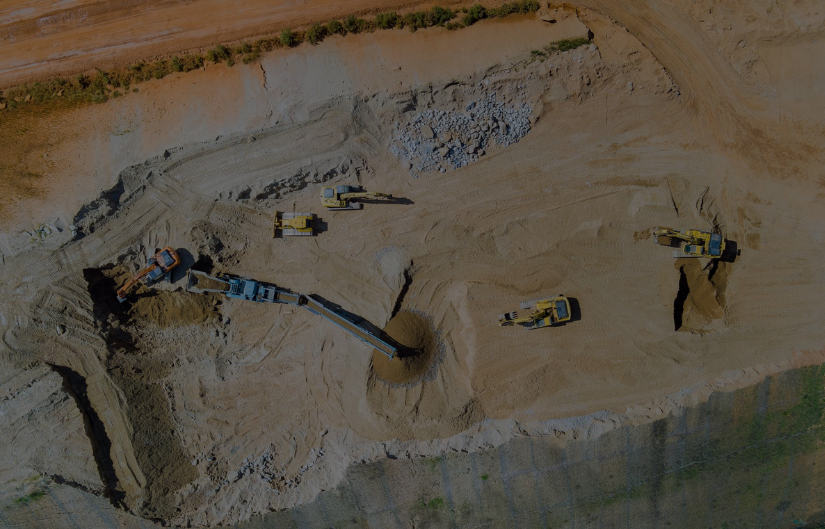
The first step is clearing the land and preparing it for development. This includes removing vegetation, rocks, and debris. Earthwork involves excavation, soil stabilization, and compaction to create a strong foundation.

Grading and Drainage Systems

Grading shapes the land to ensure proper water flow. Drainage systems are installed to manage rainwater and prevent water accumulation, which can damage infrastructure over time.

Road and Pavement Construction

Road networks are essential for accessibility. This includes internal roads, parking areas, sidewalks, and pathways. High quality road construction ensures durability and safety.

Utility Installation

Utilities are the lifeline of any development. Civil work includes installing water pipelines, sewer systems, electrical networks, and communication lines. Proper integration ensures efficient operation and future scalability.

Project Management

Effective project management ensures that all activities are completed on time and within budget. It involves coordination between engineers, contractors, and stakeholders to maintain quality and efficiency.

Importance of Horizontal Land Development

Horizontal land development is a critical phase that directly impacts the success of any construction project. It sets the foundation for efficiency, safety, and sustainability.

Ensures Structural Stability

Proper site preparation ensures that the land can support buildings and infrastructure without issues like settling or shifting.

Improves Project Efficiency

When land is properly developed, construction processes become smoother and faster.

Supports Sustainable Development

Modern horizontal development incorporates eco friendly practices such as efficient drainage systems and optimized land use.

Enhances Accessibility

Road networks and infrastructure improve connectivity within the development.

Reduces Long Term Costs

Investing in high quality civil work prevents future problems and reduces maintenance costs.

Enables Mixed Use Communities

Horizontal development supports integrated communities that combine residential, commercial, and recreational spaces.

Client Focused Approach

Transparent communication ensures client satisfaction.

Commitment to Sustainability

The company focuses on long lasting and environmentally friendly solutions.

Conclusion

Horizontal land development and civil work are the foundation of modern construction. From preparing the land to building infrastructure, this phase determines project success. With advanced technology and expert execution, horizontal development has become a strategic process that enhances long term value. Partnering with experienced professionals ensures your project is completed with quality and reliability.